
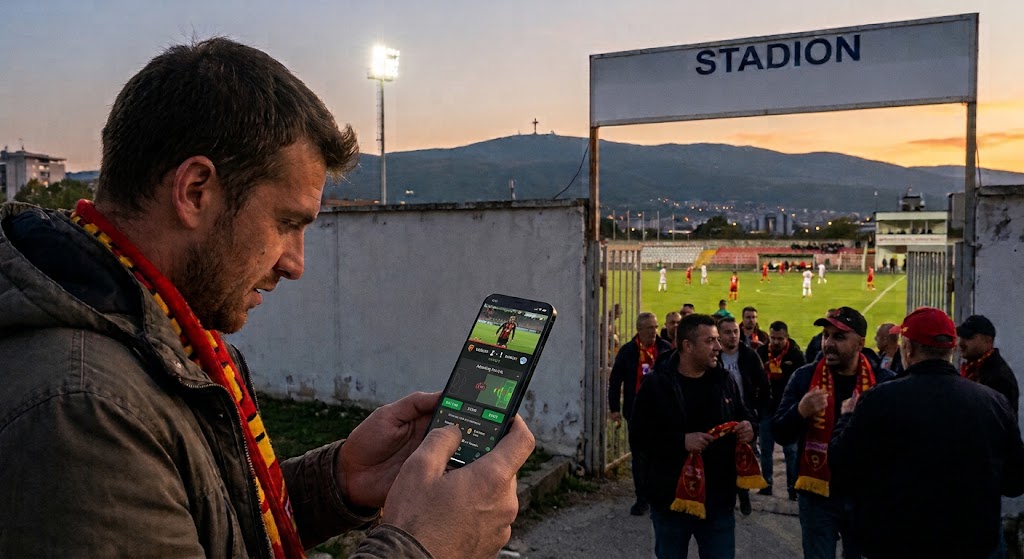
A Wednesday night game in Skopje may barely register with a football fan in London or Madrid. In Macedonia, it can be the match people have been talking about since the weekend. That difference says more about football betting than television audiences ever could. Big leagues dominate the front page because they attract huge numbers of viewers. They also produce endless previews, injury updates and statistics. Smaller competitions live differently. The audience may be narrower, but many of the people following them know the league extremely well. They know which grounds are awkward, which teams travel badly, which young striker has suddenly started getting minutes and which manager has already changed formation twice this month.
Knowing ten teams properly can beat knowing twenty by reputation
A lot of casual betting on the major European leagues is based on familiarity with names. Everybody knows the famous clubs and the expensive players, even if they have watched only highlights from the last few matches. Domestic football can be much more personal. Follow the Macedonian league every week and the same clubs keep coming back into view. You remember the previous meeting rather than needing to search for it. You know when a 2-0 defeat looked much closer than the score suggests because you were actually watching. It also changes which markets attract attention. When browsing Betway Sports you have hundreds of matches available, but a local fixture can still be the one they understand best. A famous badge in England is not automatically more useful than knowing exactly how a Macedonian side has been playing for the last month.
European qualifiers make the gap even more obvious
Summer qualifying rounds are where smaller leagues suddenly collide with the wider football world. A Macedonian club can be paired with a champion from another country that most local supporters have barely followed. On paper, one side may have the higher coefficient or more expensive squad. Locally, however, people have watched their own club through pre-season, know who has left, who has arrived and whether the first-choice striker is actually fit enough to start. That knowledge does not guarantee anything. It does mean the match looks different depending on which side of the border you are watching from. The same happens when Macedonian players move abroad. A supporter who has followed a player since his domestic-league days may have a much clearer idea of his strengths than somebody discovering him through one European game. Football knowledge travels with people, not with league size.
A smaller league can make every match matter more
With fewer clubs and repeated meetings, rivalries build quickly. One bad away trip is remembered. A late winner from months earlier comes up again before the return fixture. By spring, matches between teams fighting for Europe or trying to stay clear of the bottom can carry far more tension than their international profile suggests. That is where the phrase “small league” starts becoming misleading. The crowds may be smaller. The budgets certainly are. The television deals are nowhere near the Premier League. But betting interest is not measured in stadium capacity. It comes from attention, familiarity and having a reason to care about what happens next. For somebody who follows Macedonian football every week, the biggest match on Saturday may not be the one the rest of Europe is watching.