
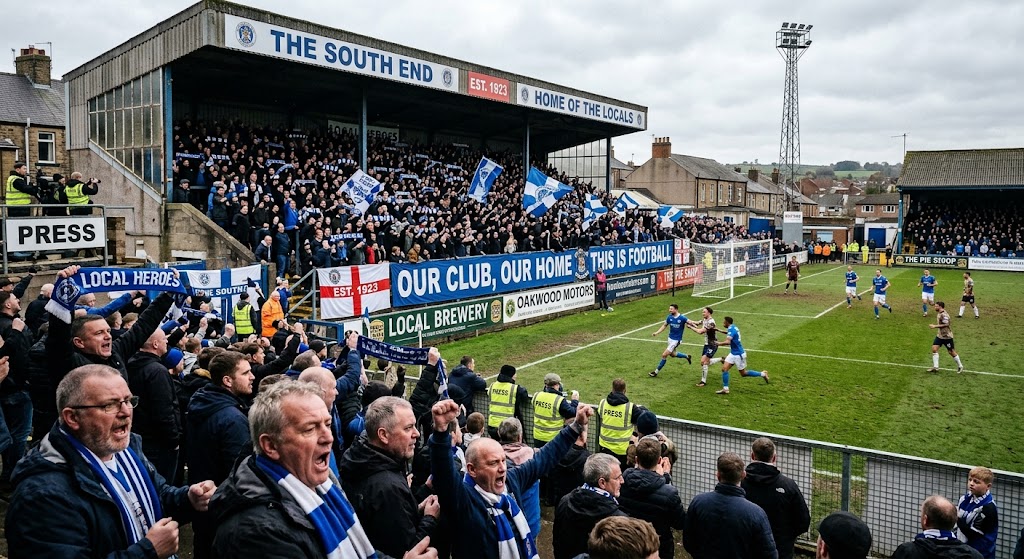
The Champions League gets the lights, the huge television audience and most of the international headlines. The World Cup can take over football completely for a month. Yet neither is where the sport actually lives from week to week. That job still belongs to domestic football. The local league provides the long season underneath everything else. Clubs play there every weekend, young players get their first serious minutes there, rivalries grow there and supporters spend far more time worrying about league points than European trophies. Take that structure away and the glamorous end of football suddenly has very little underneath it.
European nights begin with ordinary weekends
There is a tendency to think of major European clubs almost as permanent Champions League teams. They are not. Before Real Madrid, Inter or Bayern can spend another season playing across Europe, there is a domestic campaign to deal with. Qualification is earned through those league tables, which means a wet Sunday away match in November can eventually matter to what happens under the Champions League lights months later.
Local knowledge is still valuable
Domestic leagues also produce a type of football knowledge that cannot really be picked up by watching highlights once a month. Regular supporters know which away ground is awkward. They notice when a young midfielder has quietly become important, when a manager has changed the shape of the team or when a striker’s goal total makes his season look better than his actual performances have been. That depth matters to supporters, and it has naturally carried into football betting as well. The biggest matches attract enormous betting interest, but bettors do not necessarily need a global event to have an opinion. Someone who follows a local competition every weekend may know far more about two mid-table clubs there than about a famous team playing several countries away. There is an intimacy to local football that the biggest competitions cannot easily reproduce.
This is where players actually become players
Before a footballer becomes an international name, somebody has to give him minutes. Local leagues do that work constantly.
Academy graduates make their debuts. Players released by bigger clubs rebuild careers. Others arrive from lower divisions and suddenly look perfectly comfortable at a higher level. Scouts may eventually carry those names elsewhere, but their development is happening on domestic pitches first. Even national teams depend on this system. Not every international squad can be built entirely from players at Europe’s richest clubs, nor should it be. A healthy local competition gives coaches somewhere to find players who are actually playing football rather than sitting on a bigger club’s bench.
The rivalries cannot simply be imported
There is another part that money and international television cannot manufacture very easily. History. A domestic rivalry may come from geography, decades of title races, old cup matches or simply two sets of supporters who have spent years annoying each other. The fixture matters before anybody checks where the clubs are in the table. That is difficult to recreate in a competition assembled from famous names. European football adds something special to the season, but local football gives the season its shape in the first place. The grounds may be smaller. The budgets certainly are in many countries. Some matches will never be shown internationally. None of that makes them secondary. Football’s biggest stages are built on hundreds of domestic leagues playing week after week. Without that base, there is nowhere for the rest of the game to stand.